
Residential Wallpaper in Plano, Frisco, McKinney and Across All DFW Metroflex
Trusted wallpaper installation experts serving DFW since 1985
- 40 years of professional experience
- Featured in D Magazine
What to Expect From Our Residential Wallpaper Service
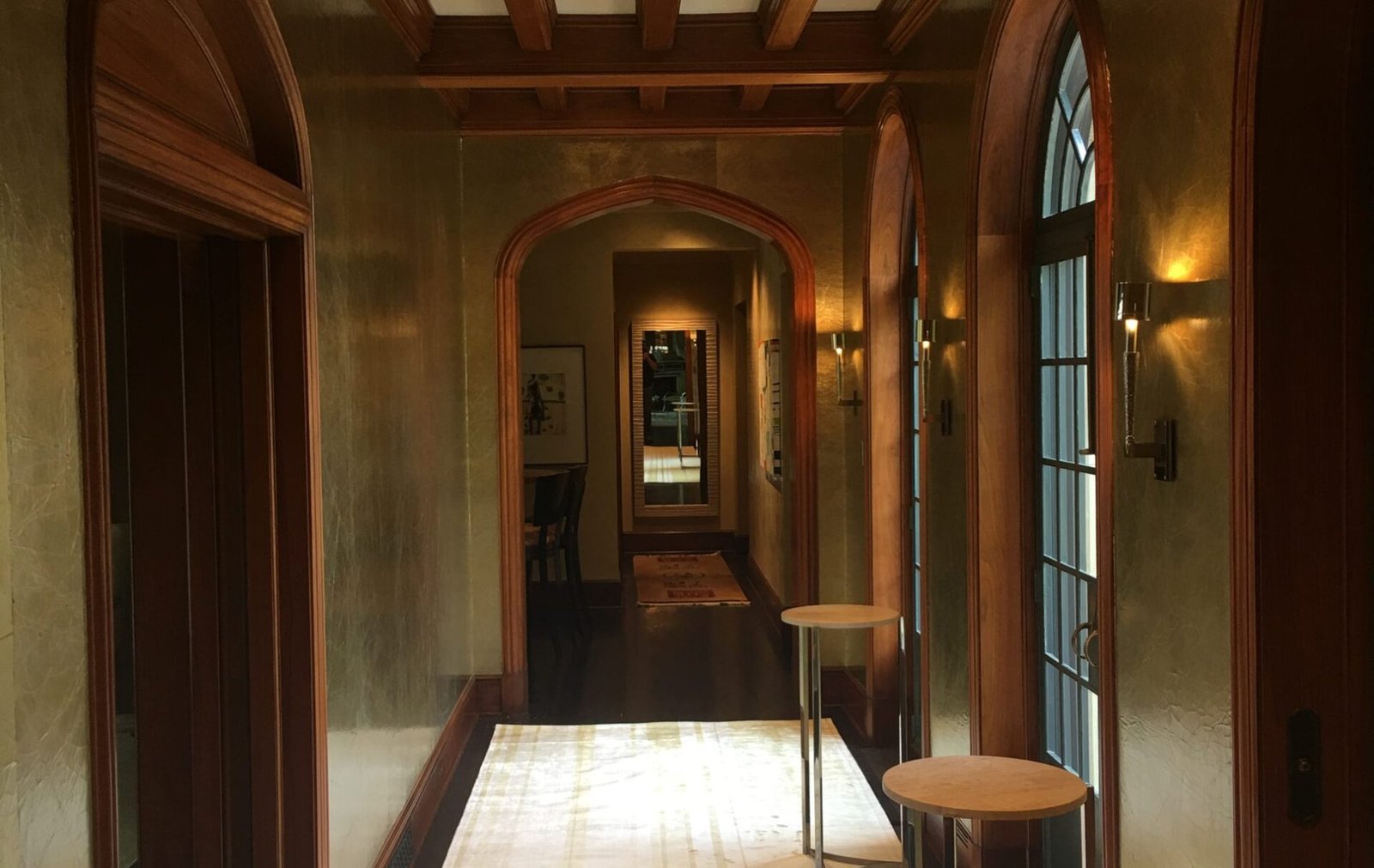
From a single grasscloth accent wall in the dining room to full silk wallcovering in a home office, residential wallpaper covers a wide range of materials and rooms, and the right approach depends on both. With over 40 years installing wallcovering across the DFW area, we’ve worked with nearly every material homeowners ask for, from standard vinyl and durable nonwoven products to specialty silk and natural fiber. Most jobs get scheduled within a couple of weeks of your first call, and we’re happy to work around anything more time-sensitive.
The Whole Process, Start to Finish
From the first visit to the day work begins, here’s what to actually expect.
The Estimate Visit
At the first visit, we’re looking for a few key things: any existing wall damage, and anything valuable or fragile nearby worth pointing out before we get started, so there are no surprises later. We take measurements and assess the wall conditions to figure out the right approach, and if there’s texture that needs removing, we’ll walk you through that too.
Testing Any Existing Wallpaper
If there’s wallpaper already up, we’re upfront that we can’t always guarantee in advance whether it’ll strip off cleanly. Our goal is always to remove it if it’ll come off well, but if it’s adhered too tightly, forcing it off would damage the wall underneath. In those cases, lining paper is a good solution instead, as long as the old wallpaper is secure. We test this on-site, checking whether a section bubbles or lifts under moisture before deciding which way to go.
Arrival and Setup
On installation day, we arrive at the scheduled time and cover the floors with protective underlayment first, then move furniture toward the middle of the room and protect everything else nearby before any prep work starts.
Sanding and Prep
Once floors and furniture are protected, we sand and prep the walls using our dust-free system, the same Festool Planex process we run on every job. Old texture, plaster imperfections, and leftover adhesive residue get sanded smooth without kicking dust into the air, so nothing settles into your furniture, vents, or floors while we work.
Cleanup and Final Walkthrough
Once the wallpaper is up, we clean the work area, remove protective coverings, and walk the room with you to make sure everything meets our standard before we call the job finished.
Materials & Surfaces We Work With
With over 40 years in the business, we’ve worked with thousands of wallcovering products. We only use the ones that hold up over time, so every material we install is chosen for real durability and quality, not just what’s trending.
Materials
- Standard vinyl wallpaper
- Non-woven wallpaper
- Pre-pasted wallpaper
- Grasscloth and natural-fiber wallcoverings
- Silk and fabric-backed wallcovering
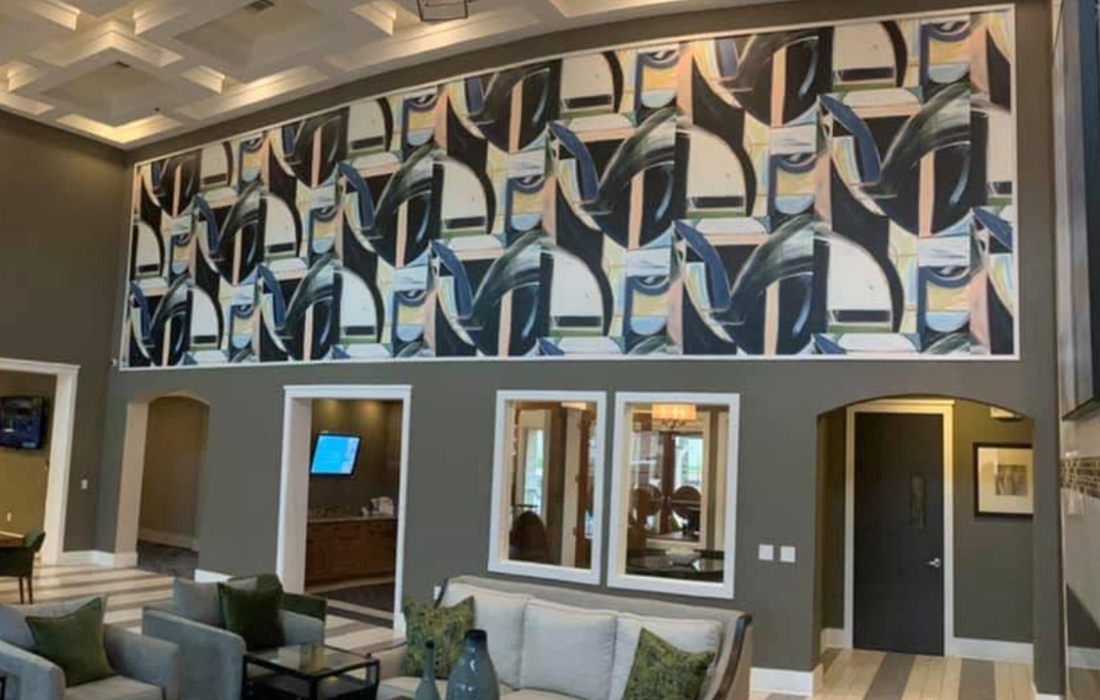
- Custom murals and oversized patterns
- Metallic and foil finishes
Supplies
- Drywall
- Plaster, including original plaster common in older Plano homes
- Painted walls
- Previously wallpapered walls, once properly stripped and prepped
Preparing Walls and Homes Before Installation
Bad paper jobs rarely fail because of the paper. They fail because of what’s underneath it.
Old paint, plaster cracks, and old adhesive residue in the pores of the wall all show through eventually. Old Towne Plano’s original plaster walls need a different prep approach than the newer drywall going up in West Plano’s subdivisions, or the seams can telegraph through the new paper within a year.
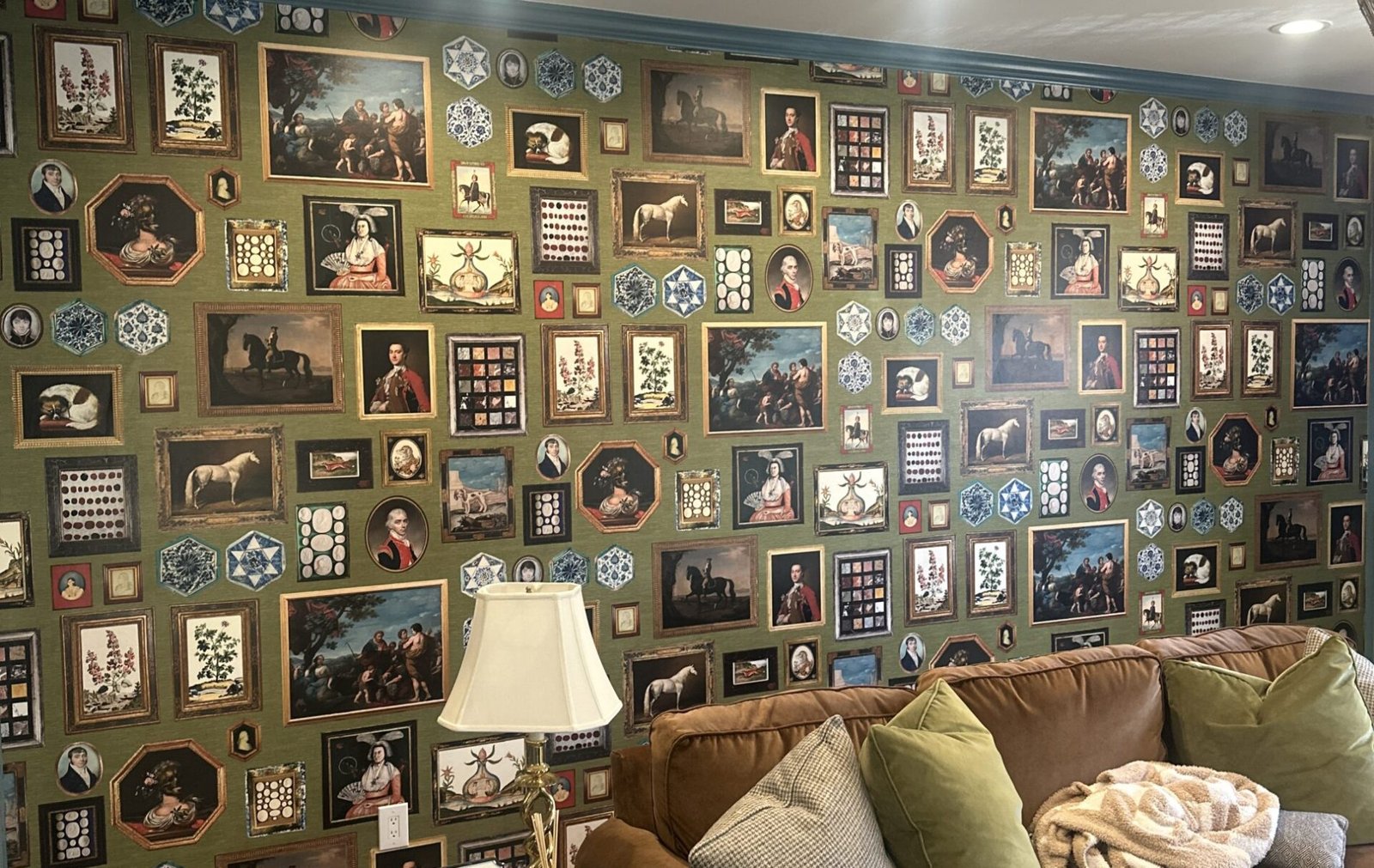
One master bedroom job makes the case: 88 rolls of wallcovering, with a band of Venetian plaster finished above a chair rail. A job that size doesn’t leave room for prep shortcuts, and it’s exactly the kind of job that generates the fine dust most crews just accept as part of the mess.
We don’t accept that. We run a dust-free wall prep process on every job, regardless of size, because sanding old texture, plaster, or leftover paste kicks up dust that settles into furniture, vents, and floors for days if nobody’s controlling it. Furniture doesn’t need to leave the room; pull it a few feet from the walls, and we handle the rest.
Expert Tip
Wallpaper Aftercare
Proper care after installation keeps wallpaper looking right for years. We recommend giving the adhesive 24 to 48 hours to fully cure before cleaning or touching the surface. Vinyl and non-woven wallcoverings can be wiped down with a damp cloth once cured; grasscloth and silk should only be cleaned dry, with a soft brush or dry cloth. Keep furniture pulled slightly away from freshly papered walls, and try to keep the room’s temperature and humidity steady for the first week.
Frequently Asked Questions
Common questions about residential wallpaper in Plano.
What if my old Plano home has plaster walls under the paint?
Plaster walls, common in Old Towne Plano, need a different prep approach than drywall because plaster moves and settles differently over time. Before hanging anything, the wall gets checked for cracks, old paste residue, and uneven spots left behind by past remodels.
Does old wallpaper have to be removed before new wallpaper can go up?
It’s preferable to remove the old wallpaper first, but sometimes it won’t come off cleanly, and it ends up being cheaper to treat the wall than to spend hours picking off tiny pieces by hand. In those cases, we prime the wall white and look for any bubbling, which shows where the old wallpaper isn’t fully adhered. We cut those spots out, secure the surface, and mud it, turning the wall into essentially a new surface that can be textured, painted, or wallpapered again. It takes more work to prep the wall this way, but the result holds the same as new drywall — it’s secure.
What if my walls have water damage or an unfixed leak?
Wallpaper should wait until any water damage or roof leak gets fully repaired and the drywall dries out. Papering over a wet wall just hides a bigger problem that will resurface later.
Is wallpaper hard to remove if I want to redecorate later?
If the walls are prepared properly in the first place, the wallcovering should come off easily whenever you’re ready for a change. A vinyl wallcovering typically peels right off once the adhesive is dry. A silk or grasscloth wallcovering may need to be soaked off, but either way, it should come away cleanly and leave the wall smooth underneath. The key is proper primer, matched to the wallcovering being installed.
What determines the cost of a wallpaper installation?
Cost depends on a handful of real variables, not a flat per-roll rate. Wall condition drives most of it, smooth, well-prepped drywall costs less to hang than older plaster or heavily textured walls. The material itself matters too, standard vinyl runs more affordable than grasscloth, silk, or other specialty wallcoverings. Room size, ceiling height, window and door count, and pattern repeat size all factor in as well. We price by the job, not by the roll, and walk through the real numbers before any work starts.